The JAVISar project aims to provide a more nuanced understanding of the narratives and self-representations of jihadism across the period from the end of the Soviet occupation of Afghanistan (1989) to the recent attacks carried out by ISKP (2024). During this timeframe, jihadism has not only been a central issue in the geopolitical landscape, but also a dominant theme in the global cultural imaginary. It has developed sophisticated communication strategies that have redefined the concept of contemporary warfare, posing unprecedented challenges to counter-radicalization and de-radicalization efforts. Through an in-depth analysis of materials preserved in key digital archives – including literary texts, administrative documents, and visual and interactive media – the project investigates how jihadism has been narrated and self-represented. This exploration is conducted through two closely interconnected perspectives: the framing of jihadism in Western media and the self-produced jihadist materials, intended for both internal and external circulation. These materials, for the vast majority in Arabic, played a crucial part in constructing the political legitimacy of various jihadist groups, such as the Taliban, al-Qaeda, IS, and ISKP.
The project adopts a both diachronic and synchronic approach to analyze jihadist narratives and media languages, aiming to lay the foundation for innovative, interdisciplinary perspectives on preventive counter-radicalization and deradicalization strategies. Following the comprehensive analysis of archival materials, JAVISar will develop open-access tools tailored to different stakeholders – including schools, NGOs, and social workers – with the aim of enhancing integration policies and countering jihadist radicalization. A specific focus will be placed on dismantling the narratives propagated through jihadist textual and visual productions, thereby contributing to more effective prevention strategies.
01
Deconstructing the Western Gaze Towards Jihadism
The first milestone examines how Western media have framed jihadism across the various phases of the long-running War on Terror, identifying recurring narrative trends and tracing their evolution over time.
ITEM CODE JAR-MAN-017-26
Through a transmedia analysis spanning journalism, novels, graphic novels, films, TV series, and videogames, the team classifies the main imaginaries built around the phenomenon, showing how it has been progressively reduced to a projection of Orientalist stereotypes, cultural fears, and political anxieties. Planned actions include a sociological analysis of media discourse following major attacks such as 9/11, the 2004 Madrid bombings, and the 2015 Paris attacks; a comparative study of jihadism in contemporary European and American literature; and an analysis of the role played by cinema, television, and interactive media in producing persistent, oversimplified narratives about jihadism, thereby deconstructing the Western gaze on the phenomenon.
02
Studying Jihadism Through Textual and Visual Archives
The second milestone studies jihadism through textual and visual archives, analyzing in a transdisciplinary way the materials produced by al-Qaeda, the Islamic State, and affiliated networks, bringing together Arabic specialists and visual and media studies scholars.
ITEM CODE JAR-MAN-017-26
Sources include authoritative repositories such as the Harmony Project, the archive of Osama bin Laden’s materials, Jihadology, and the IntelCenter Database. Planned actions include translating al-Qaeda’s administrative and internal-use documents, including a full translation of bin Laden’s journal from the Abbottabad compound; translating the Islamic State’s internal documents, highlighting continuities and shifts with al-Qaeda; analyzing jihadist magazines in Arabic and European languages, from Jihadi Recollections to al-Naba; and studying jihadist propaganda videos, from Badr Bosnia to Flames of War and recent ISKP releases, to reconstruct the codified jihadist visual style.
03
Developing New Tools to Prevent and Contrast Jihadist Radicalization
The third milestone develops new tools to prevent and counter jihadist radicalization, translating the project’s research findings into open-access resources and educational and training initiatives aimed at general and specialized audiences, including practitioners in security and social services.
ITEM CODE JAR-MAN-017-26
Planned actions include exploring the most up-to-date social, psychological, and cultural approaches to radicalization and de-radicalization; developing an interdisciplinary toolkit for schools and social workers designed to dismantle jihadist rhetoric by exposing its mediated nature and persuasive strategies; creating specialized educational initiatives, such as blended courses and open-access resources including Moodle materials, for practitioners updating their working methodologies; and promoting a public program of lectures, partnerships with cultural associations and film festivals, plus dedicated grants for art-based research by young artists.
JAVISar team
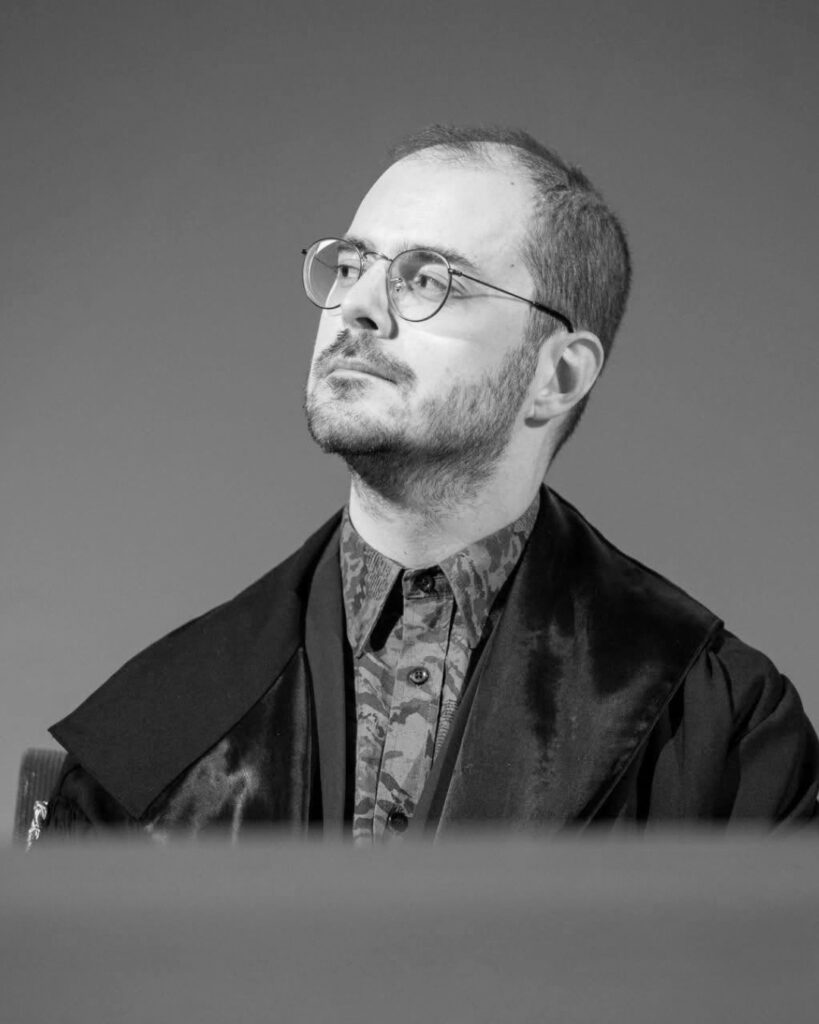
Giuseppe Previtali is Associate Professor of Film and Visual Studies at the University of Bergamo. His main research interests deal with the extreme forms of contemporary visuality, with a specific focus on political conflicts (e.g. war, terrorism, uprisings) and on perpetrator-produced images. He published extensively on these topics, and he is the author of the books L’ultimo tabù (Meltemi 2020), Postmedia Education (McGraw-Hill 2025, with R. Nardone and G. Grossi), Che cos’è il trash (Carocci 2025), and Africa segreta (Marsilio 2026).
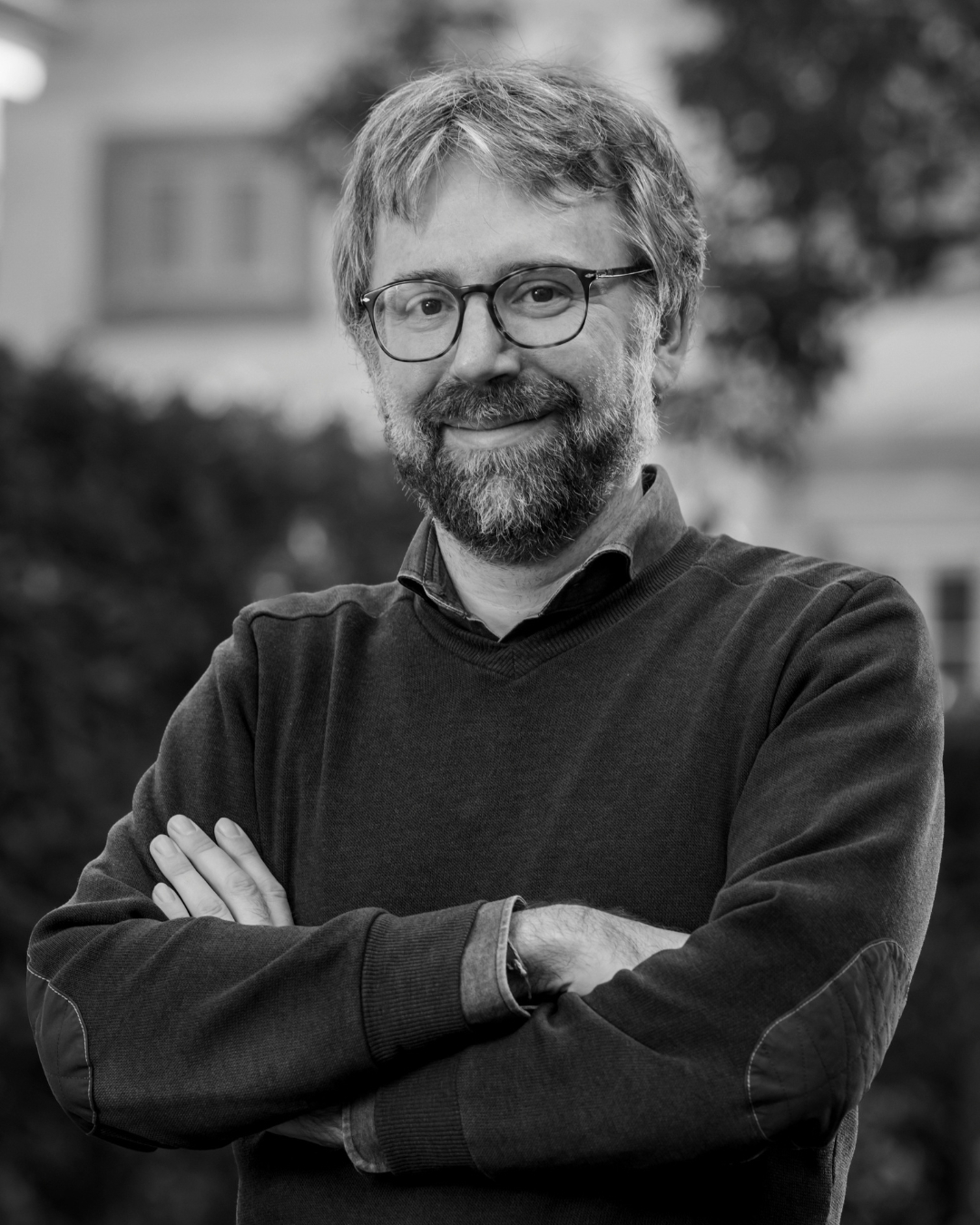
Paolo Barcella is Associate Professor of Contemporary History at the University of Bergamo. His research has focused on the history of Italian emigration, particularly to Switzerland and the United States, which he has examined from different perspectives. In recent years, he has worked on the history of conservative movements and political parties that have been notable for their particularly hostile attitudes towards international migrations. He is the author of: Scolari ospiti. Italiani a scuola in Svizzera, Biblion, Milan, 2024; La Lega. Una storia, Carocci, Rome, 2022; I frontalieri in Europa. Un quadro storico, Biblion, Milan, 2019; Per cercare lavoro. Donne e uomini dell’emigrazione italiana in Svizzera, Donzelli, Rome, 2018.
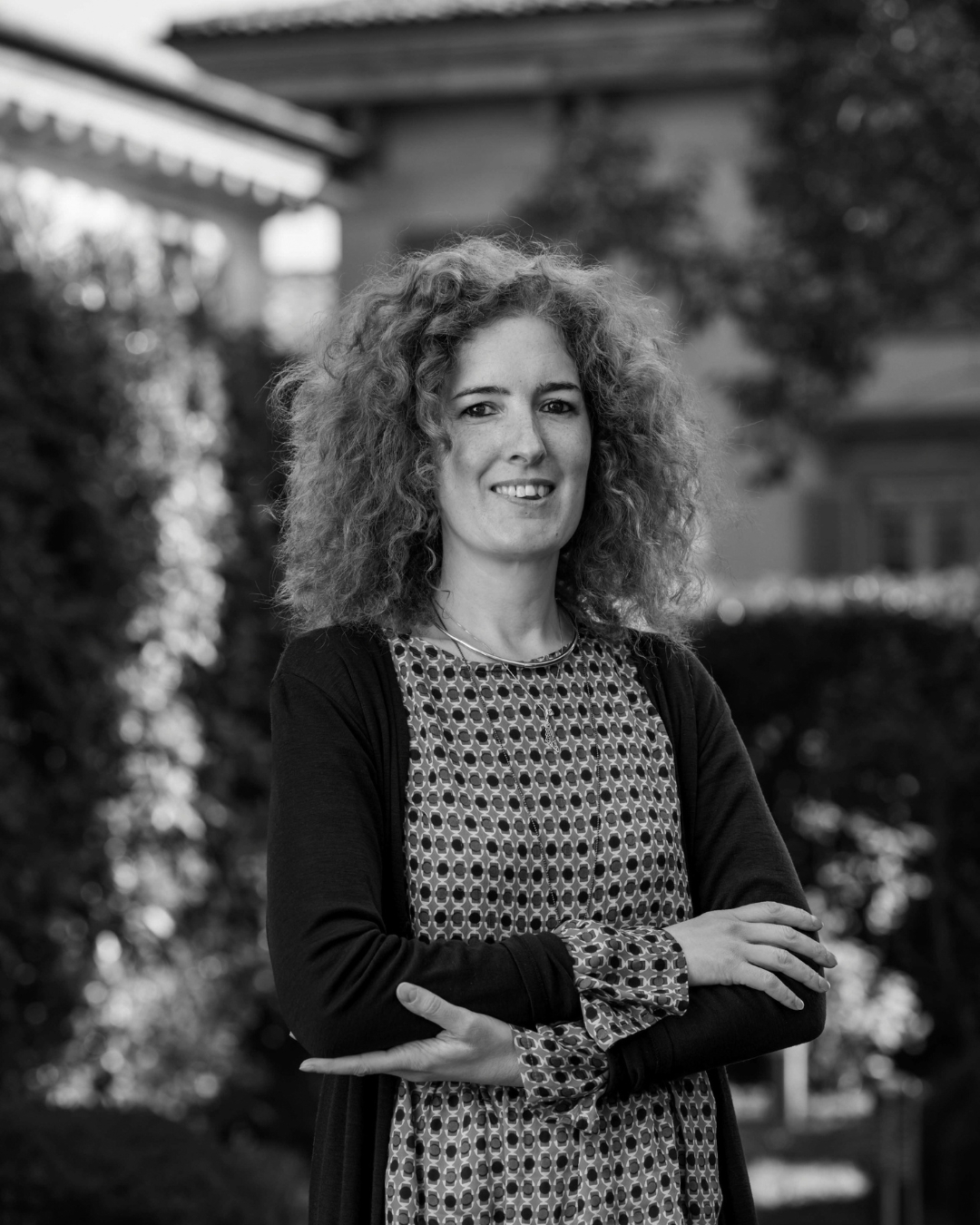
Martina Censi is Associate Professor of Arabic Language and Literature at the University of Bergamo. She is research associate at ERIMIT (University of Rennes 2), at CEFREPA Kuwait and at the Institut Français du Proche-Orient (IFPO). She holds a joint Italian-French PhD. Her research focuses on modern and contemporary Arabic literature, particularly from Syria, Lebanon, Iraq, and Oman. Her main interests include women’s writing, representations of the body, individual and collective identity formation, migration, ecocriticism in Gulf literature, and the relationship between trauma and contemporary artistic production in Arab countries. Among her publications: Le Corps dans le roman des écrivaines syriennes contemporaines: Dire, écrire, inscrire la différence (Brill, 2016), M. Censi e M. E. Paniconi (eds) (2023). The Migrant in Arab Literature: Displacement, Self-Discovery and Nostalgia, New York & London, Routledge.
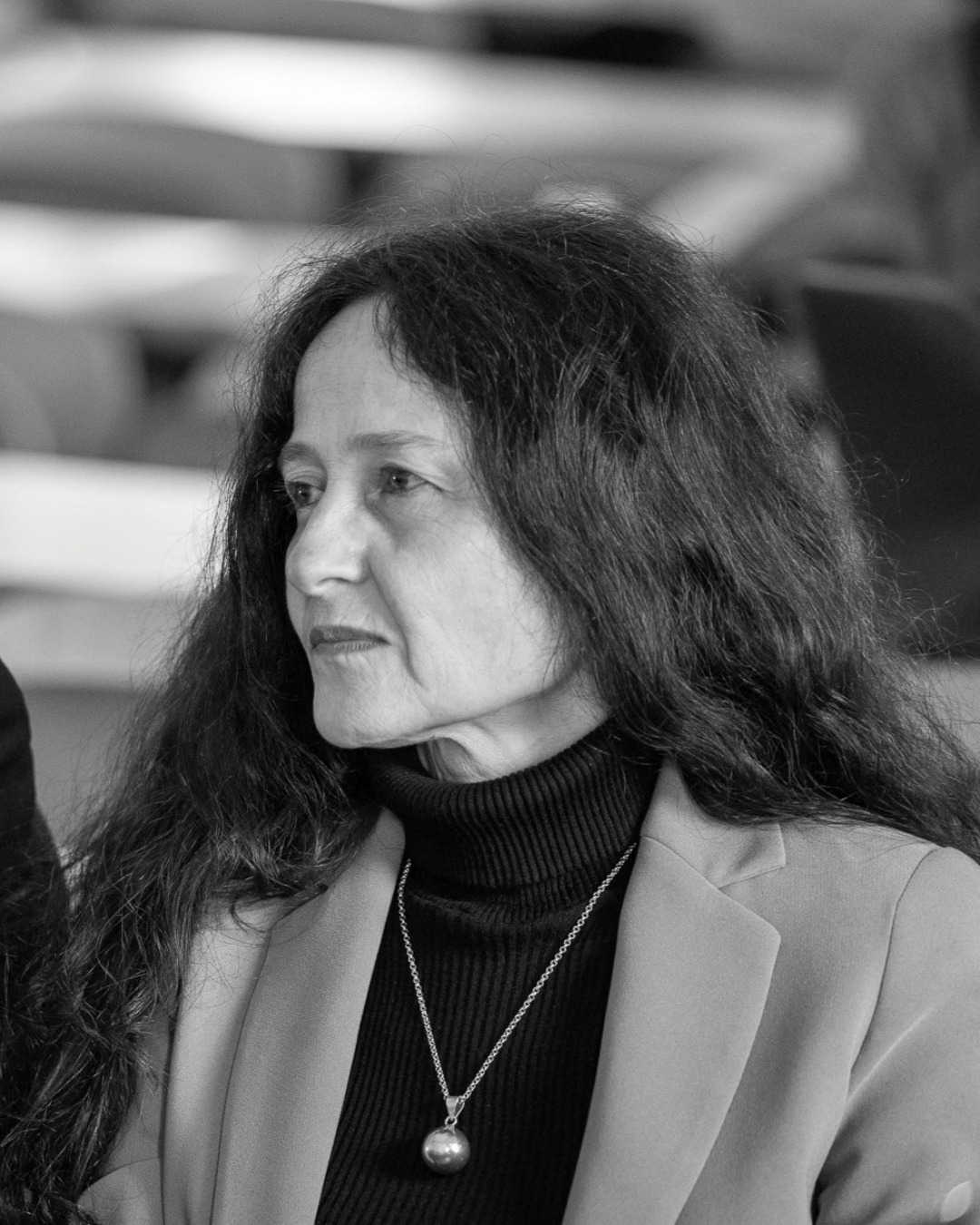
Michela Gardini is Full Professor of French Literature at the University of Bergamo. She is a specialist in the Nineteenth and Twentieth-century French Literature. Her research focuses on the intersection between Literature and Religion; on the rewriting processes of Myths and in particular of Antigone; on the dialogue between word and image starting from the motif of the picture; on the interculturality and metatextuality; on the women’s writing of the Maghreb. Among her books: Nei frammenti della modernità (Sestante 2006); Giovanna d’Arco e i suoi doppi (Sestante 2009); Joséphin Péladan. Esthétique, magie et politique (Classiques Garnier 2015), Il ritratto e l’assenza (Mimesis 2019), Nelle trame del mito. (Mimesis 2021); Il traduttore come personaggio di finzione (FrancoAngeli 2023).
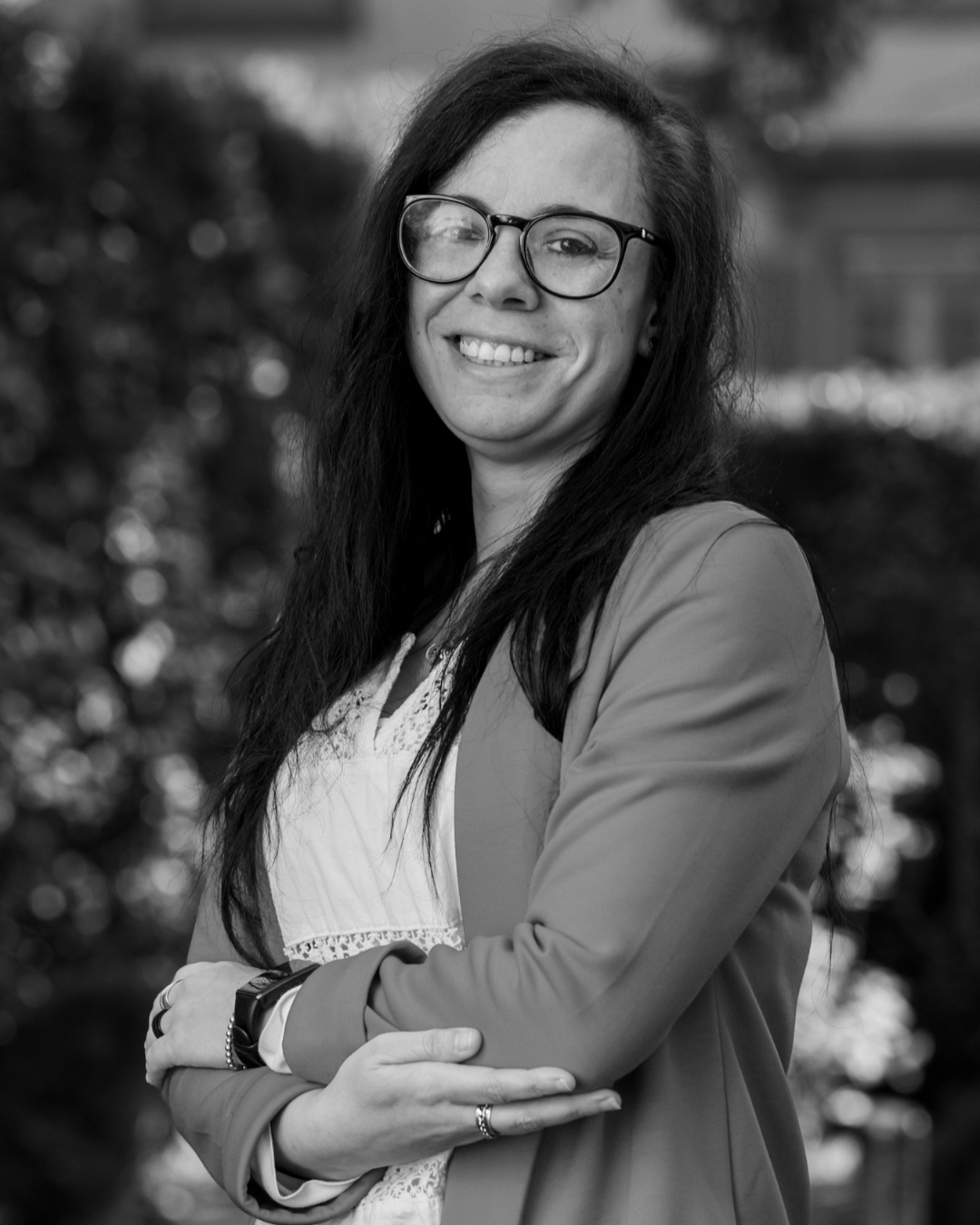
Alessandra Maria Goggio is research associate and assistant professor for Modern German Literature at the University of Bergamo. Her research interests and specialisations include modern contemporary German literature and theatre, the sociology of literature (Bourdieu), the literary industry and its representation in fictional narrative texts, and the relationship between literature and other media. Her books: Der Verleger als literarische Figur. Narrative Konstruktionen in der deutschsprachigen Gegenwartsliteratur (ranscript 2021) and Messinscene del potere. Il mito del falso Dmitrij nella drammaturgia di lingua tedesca (Mimesis 2025).
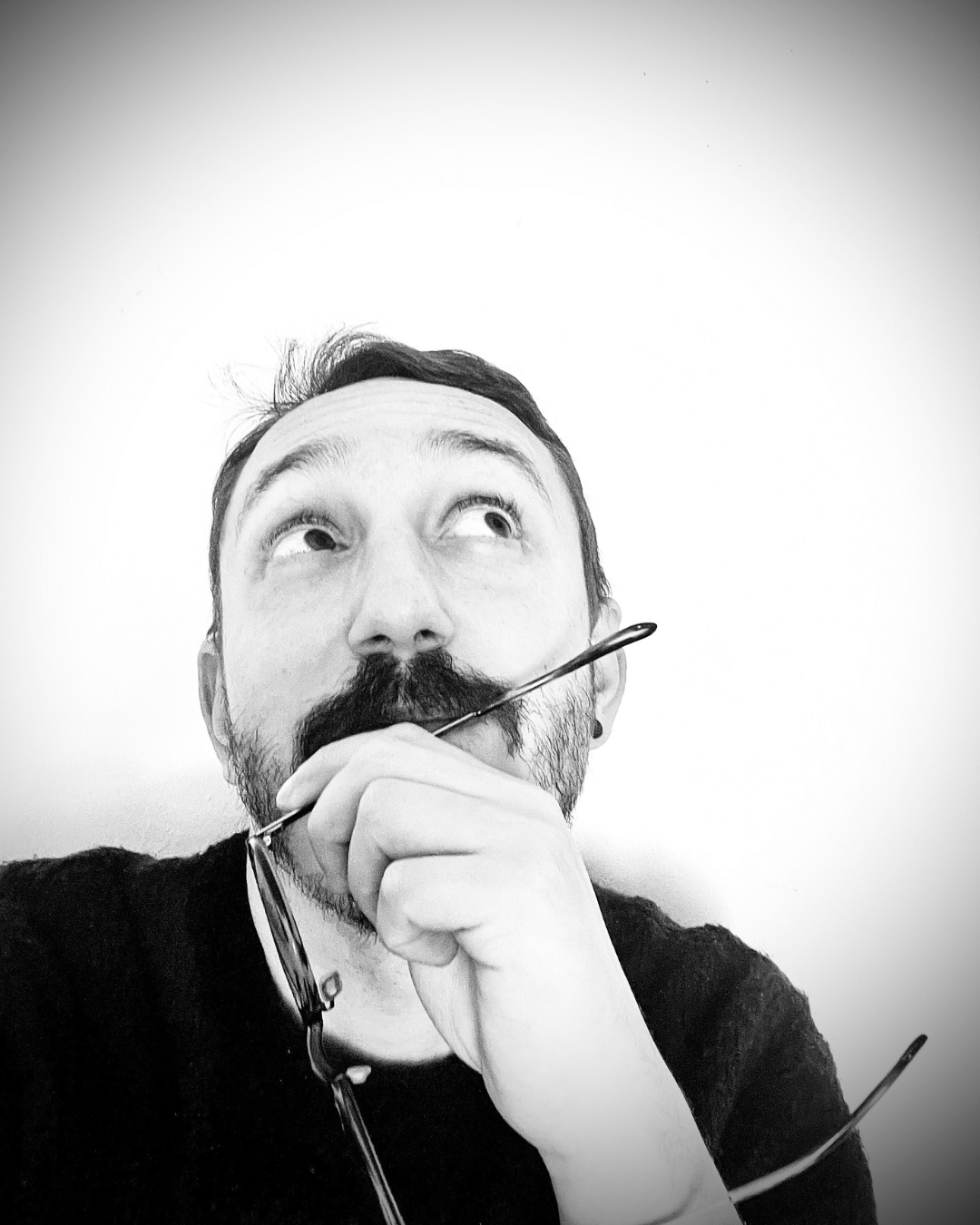
Simone Tuzza is a tenure-track Assistant Professor of Sociology of Law and Deviance at the University of Bologna. His research lies at the intersection of criminology, police studies and cultural criminology, with a particular focus on protest policing, the relationship between police and political power, media representations of crime, and intimate partner violence in LGBT communities. His recent publications also address graphic narratives in criminology and digital resistance. He is the author of Criminologia pop. Media, immaginari e narrazioni (true) crime (Mondadori Università 2026) and Il dito e la luna. Ordine pubblico tra Polizia e potere politico, un caso di studio (Meltemi 2021), and co-author of Polizia. Un vocabolario dell’ordine (Mondadori Università 2023).


