The JAVISar project aims to provide a more nuanced understanding of the narratives and self-representations of jihadism across the period from the end of the Soviet occupation of Afghanistan (1989) to the recent attacks carried out by ISKP (2024).
ITEM CODE JAR-MAN-017-26
Deconstruct
How Western media, novels, films and videogames have framed jihadism
Read
Jihadism through its own archives: documents, magazines and videos, mostly in Arabic
Counter
New tools against radicalisation, for schools, NGOs and social workers
Check out the latest events from JAVISar
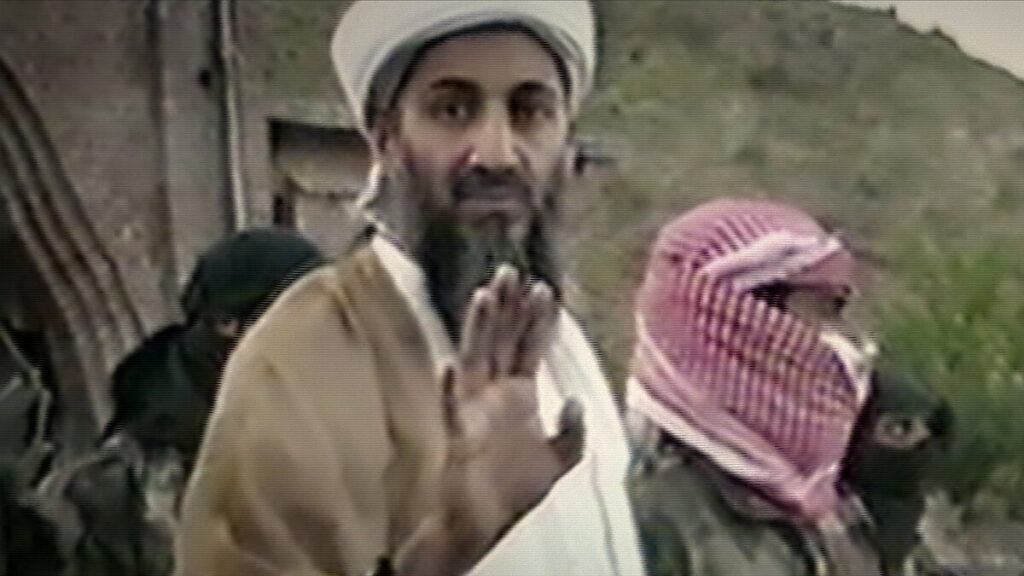
Afterimage Osama bin Laden. Rappresentazioni postume dell’ultimo nemico globale
Afterimage Osama bin Laden. Rappresentazioni postume dell’ultimo nemico globale
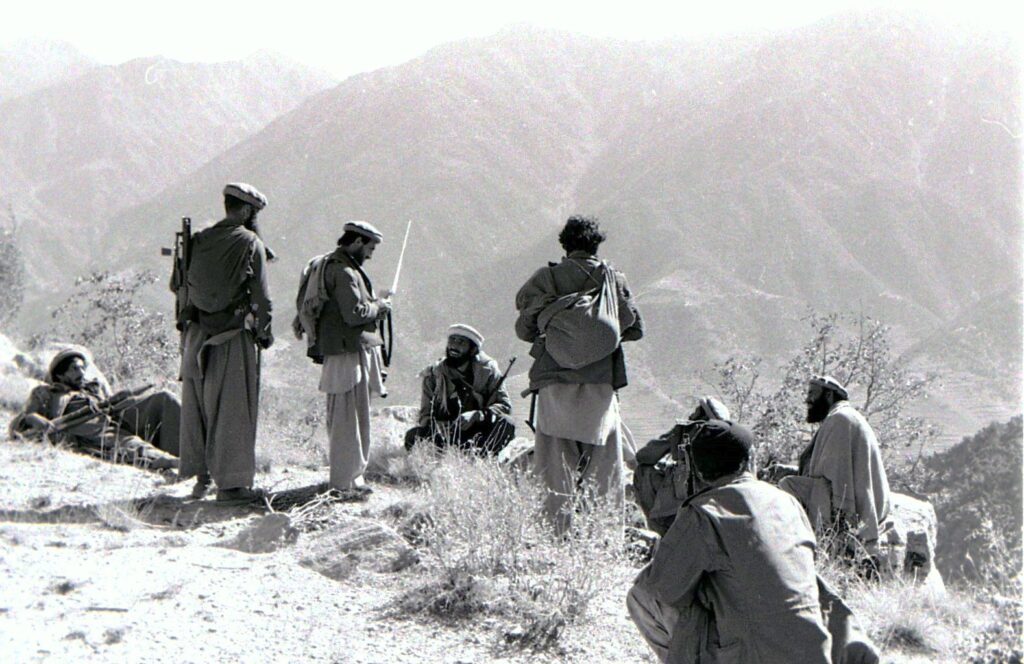
Afghanistan 1979-89/2001-21
Afghanistan 1979-89/2001-21
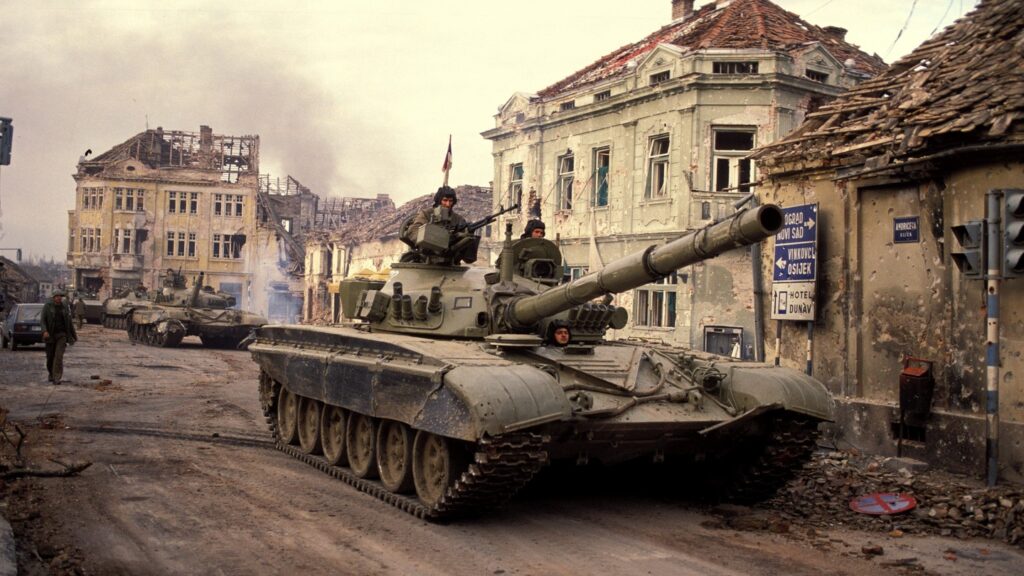
Jugoslavia 1991-2001
Jugoslavia 1991-2001
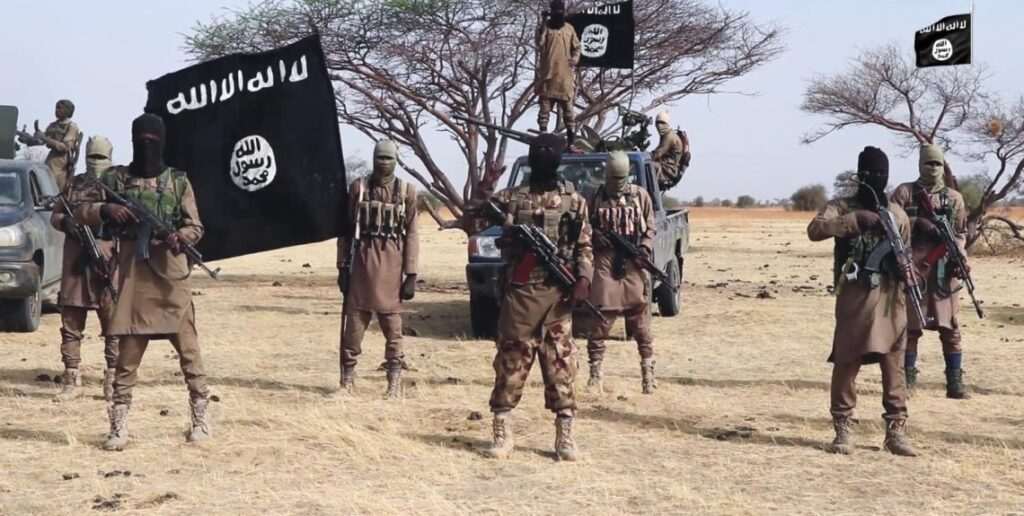
L’immaginario del jihad in Sahel: dalle frontiere della Umma al cuore del conflitto
L’immaginario del jihad in Sahel: dalle frontiere della Umma al cuore del conflitto
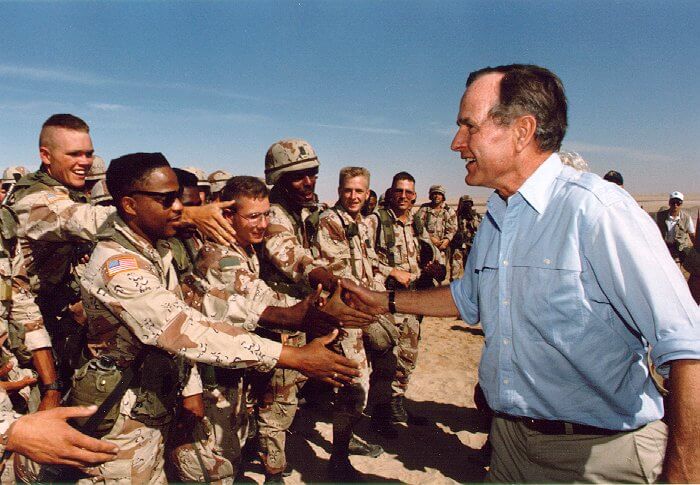
Le Guerre del Golfo 1990-2011
Le Guerre del Golfo 1990-2011
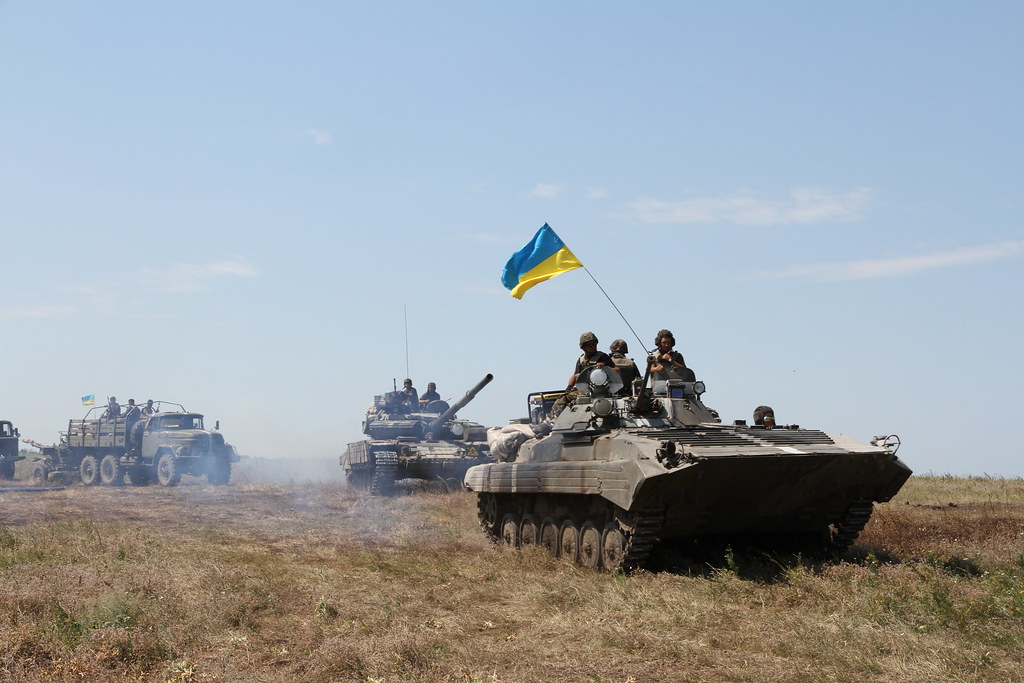
Ucraina 2014-…
Ucraina 2014-…

Ask Me for Those Unborn. Promises that May Seem Unlikely to Happen in the Natural
Ask Me for Those Unborn. Promises that May Seem Unlikely to Happen in the Natural
ITEM CODE JAR-MAN-017-26
In the Western imaginary, jihadism is still seen as one homogeneous, coherent phenomenon. In reality it is fragmented, adaptive and often self-contradictory
After 9/11, after the proclamation of the Caliphate, after the Taliban’s return in 2021: each time, jihadism has been treated as something radically new. JAVISar approaches it instead as a political ideology with its own history, its own language and a recognisable visual style.
As new regional networks emerge and lone-actor attacks spread, no strategy against radicalisation can ignore the appeal that media narratives exert on militants. Understanding that appeal is the first step to taking it apart.
Focus on
Research
Our research looks at how jihadism has been framed by Western media and digs into the movements’ own textual and visual production, administrative documents, magazines, videos, drawing on archives largely unexplored until now.
• A Taxonomy of Jihadist Narratives
• Jihadist Archival Sources
• Educational Sources
Focus on
Teaching
Educational workshops, an annual summer school on conflicts and visual culture and training for people working in counter-radicalization. Open to students, social workers and other professionals.
• Educational Workshops
• Summer / Winter Schools
Focus on
Dissemination
JAVISar’s public events (talks, conferences and collaborations with cultural associations and film festivals) open to anyone interested in the topic. How we share what we’re learning with a wider audience and help build a more critical understanding of jihadist radicalization.
• Talks
• Public meetings
• Collaborations / Network
Focus on
Publications
Bringing together the project’s written output, from academic articles to translations of jihadist source material, alongside the open-access tools developed for schools, NGOs, and practitioners working on de-radicalization.
• Books
• Journal Issues
• Papers
• Other publications
• Book chapters


